The use of worksheets can be a useful method that can enhance learning and output. Whether I teach, reviewing, or arranging content, I consider that they give organization and clarity. They divide complicated matters into manageable sections, enabling me to comprehend new notions. When I’m instructing, worksheets function as a reference, allowing me to confirm that my students grasp the content. I can adapt them to fit the unique demands of my lessons, addressing areas where my students may need extra practice.
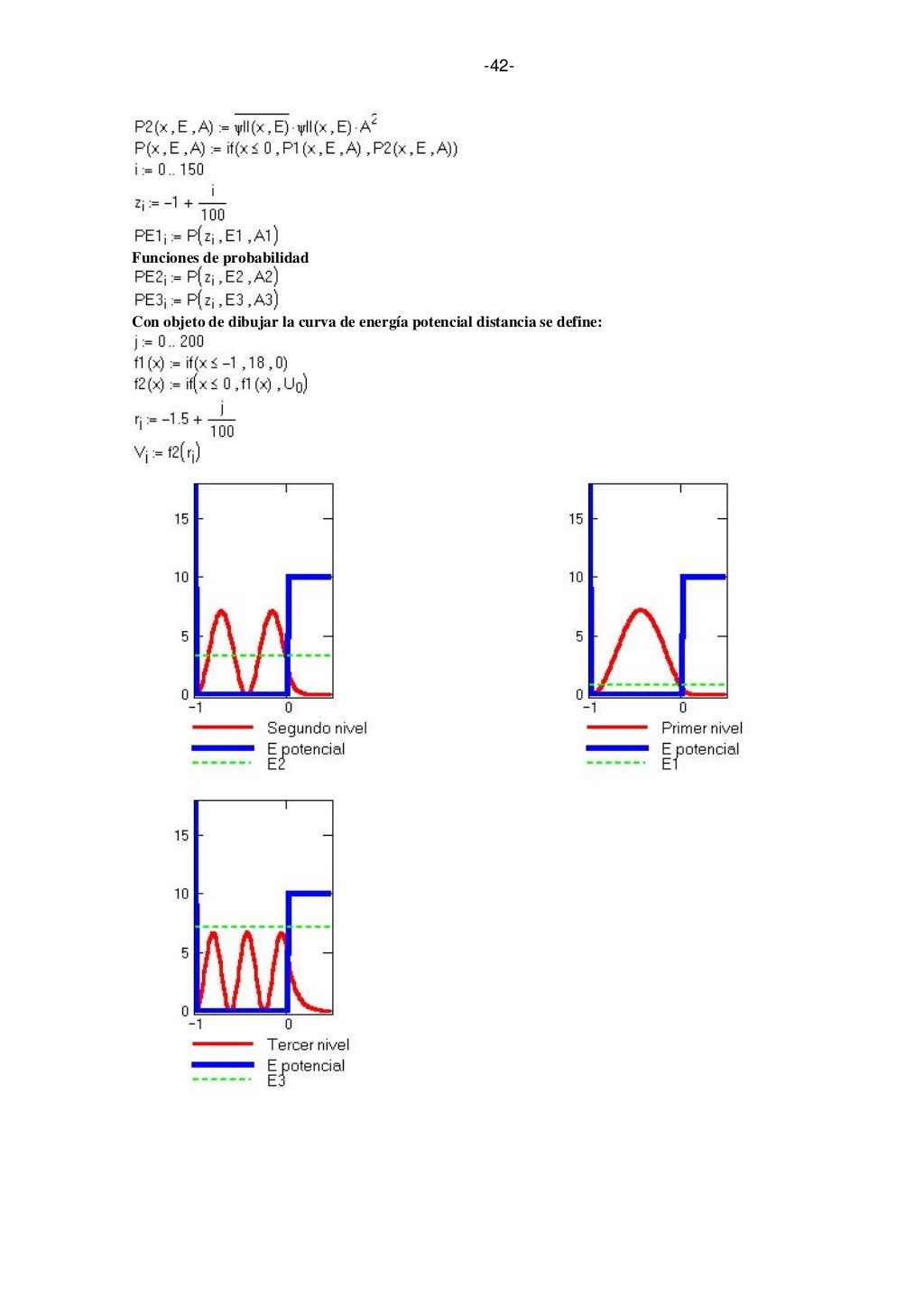
mathcad example worksheets
As a student, I rely on worksheets to solidify what I’ve studied. They provide a interactive method, allowing me to apply information and evaluate my grasp. I find that when I interact with the subject matter through a worksheet, the knowledge stays with me more. It also helps me pinpoint holes in my knowledge so I can direct my learning more productively.
mathcad example worksheets
 source = worksheets.clipart-library.com
  source = www.pinterest.co.kr
 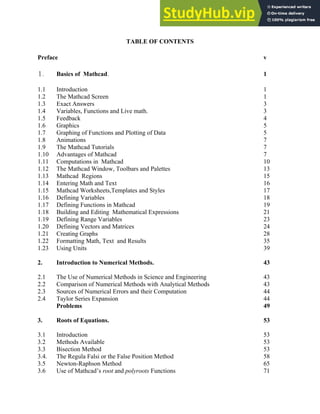 source = www.slideshare.net
 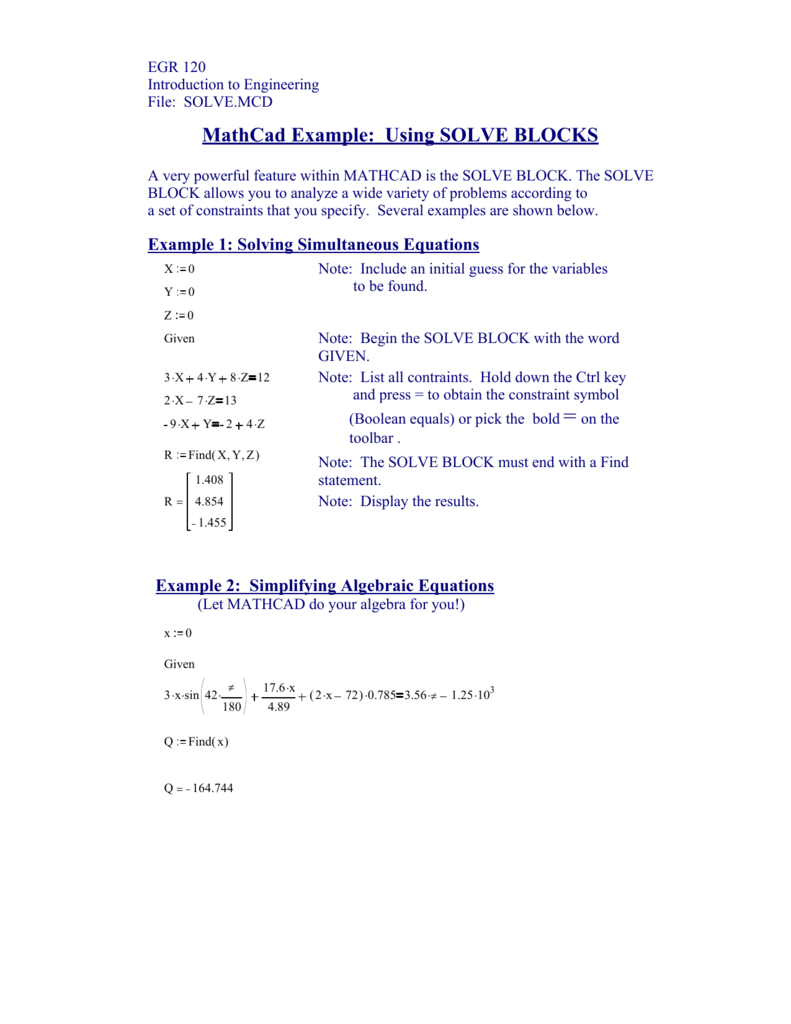 source = studylib.net
  source = studylib.net
source = studylib.net  source = neuron.eng.wayne.edu
 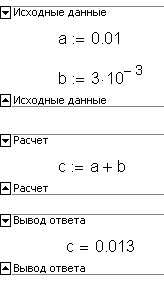 source = community.ptc.com
  source = www.slideshare.net
source = www.slideshare.net 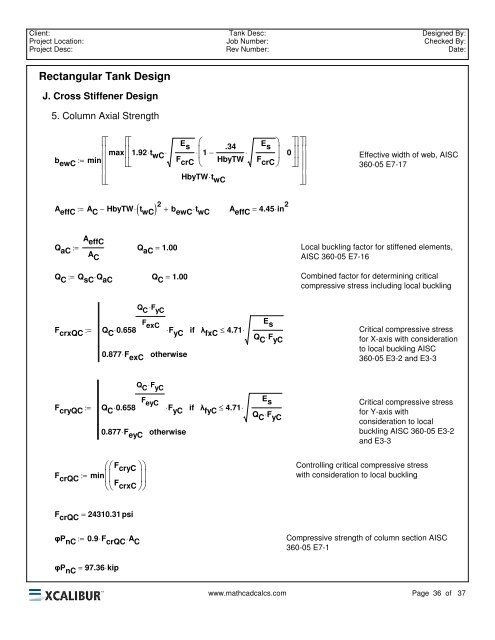 source = www.yumpu.com
  source = es.slideshare.net
In a work environment, worksheets keep me on track. They allow me to track progress, structure plans, and organize to-dos. By arranging details in a concise and concise manner, worksheets enable me to rank and tackle my to-do list with confidence.
In summary, worksheets are an important asset in different situations. Whether I’m teaching, acquiring knowledge, or in a work context, they give a useful and effective method to accomplish my objectives. With their flexibility and user-friendliness, worksheets are a resource that I always keep within reach.
